
Developing and maintaining strong relationships with third-party business partners, such as suppliers and service providers, is essential to day-to-day operations, long-term strategy, and business growth. The process of doing so—vendor management—includes everything from issuing requests for proposals (RFPs) and selecting the best providers, to negotiating contracts and managing service levels, to ongoing communication and risk mitigation. Mastering vendor management processes and roles, recognizing and planning for common obstacles, and adopting proven best practices will put businesses in the best position to manage their portfolio of vendors for both day-to-day productivity and long-term value.
What Is Vendor Management?
Vendor management refers to all of the processes a company uses to select and manage the suppliers that provide everything from its computer equipment and raw materials to its consulting and logistics services. Vendor management comprises a broad range of activities that cover the full supplier lifecycle, including assessing and selecting vendors, negotiating contracts, managing supplier-related risks, and verifying product and service delivery and quality.
Vendor management is not about holding suppliers’ feet to the fire or negotiating rock-bottom prices (although low prices may be a primary factor in decision-making for some commodity products or services). Rather, it’s about setting up and nurturing positive relationships with vendors so that both parties benefit from the contractual engagement. After all, a vendor that feels valued is more likely to deliver at the highest levels.
Key Takeaways
- Vendor management covers all activities involved in selecting suppliers and managing the delivery of goods and services to a business.
- These processes may be handled by a variety of individuals in a company or may be centralized in procurement and vendor management offices.
- Cultural barriers, increased numbers of suppliers, compliance demands, and overreliance on too few vendors can make vendor management challenging.
- Companies that adopt proven best practices and appropriate technology can reap substantial benefits, including lower risks and costs and improved quality and vendor relationships.
Vendor Management Explained
The term “vendor” in vendor management means any seller of goods and services to a business. For example, a restaurant chain’s vendors would include food suppliers, beverage distributors, linen services, cleaning product providers, and technology companies offering reservation systems. An automotive manufacturer’s vendors might include steel and textile suppliers, vehicle parts and components vendors, microchip manufacturers, and makers of specialized machinery and software.
Vendor management encompasses the range of activities a business engages in to manage these external partners. Tasks include finding and selecting the right vendors for a business’s needs (which may be overseen by a procurement function; negotiating contracts, involving key elements like price, service levels, and termination rights; controlling costs and vendor-related risks; establishing ongoing governance, communication, and service level management; and anticipating or addressing the occurrence of nonperformance and other issues.
Vendor management is often handled by a combination of departments or business roles, depending on the company’s size and structure. The possibilities vary: A single vendor manager or an entire vendor management office may be responsible for the program, overseeing such functions as maintaining relationships, managing costs, and monitoring quality control or service levels, while a contract executive may be involved in administering the legal agreement between the two parties. Many companies maintain procurement departments or managers to handle such tasks as market research, cost analysis, vendor selection, and invoice payments. At times, a business may outsource parts of its vendor management process, such as risk assessment or due diligence, to third parties with superior expertise. (In such scenarios, these third parties then become another vendor to manage.)
In some cases, as with commoditized products or services, the vendor management approach may be more streamlined, focused on securing and maintaining low costs and reliable delivery. In other situations—say, when a business is looking for a strategic partner to help develop an enterprise AI strategy—the emphasis will be on finding the specific degree of expertise and developing a trusted and collaborative relationship with the provider over the long term. Companies that invest in effective vendor management often benefit from better supplier selection, substantial cost savings, faster vendor onboarding, stronger relationships, fewer risks and disruptions, and greater innovation.
Why Is Vendor Management Important for the Supply Chain?
In today’s dynamic business environment, effective supply chain management is a strategic requirement for the uninterrupted flow of goods and services to the business. Solid vendor management practices are vital for a well-run supply chain. These processes can have a direct impact on efficiency, cost, product and service quality, risk, and resilience.
Skillful vendor management helps organizations negotiate better prices and streamline their procurement processes, both of which can increase cost savings along the supply chain. It also keeps suppliers accountable to their obligations (for example, quality standards or delivery schedules), which are crucial to day-to-day operations and customer satisfaction. In addition, managing vendors well enhances overall supply chain agility by streamlining processes, reducing lead times, and making it more likely that the company moves the right goods and services to the right place at the right time.
Companies that invest in managing their suppliers strategically can optimize their supply chains so that they align with overall business goals. They can also build stronger, more collaborative relationships that, together, foster greater trust, dependable partnering on innovation, and the ability to handle any market changes or disruptions. Indeed, disruptions are a fact of life in global supply chains. But by more carefully selecting vendors and monitoring their performance, companies can gain greater visibility into potential issues and anticipate or respond to them more effectively.
The Vendor Management Process
The vendor management process is set up to help a company find the right partners for its needs, negotiate favorable terms, optimize costs, manage performance, maintain compliance, and minimize risks throughout the lifespan of the relationship. As mentioned earlier, the process has a direct impact on supply chain efficiency, business continuity, and the business’s ability to respond to marketplace changes.
The vendor management process can vary significantly depending on a company’s size, industry, organizational complexity, and regulatory requirements. Those operating in healthcare or finance, for example, may need to perform additional compliance checks, supplier certification processes, and risk assessments to meet their regulatory obligations.
However, the following steps are common to almost all vendor management processes, though the details of how they are carried out may differ:
1. Vendor Selection
Vendor selection involves identifying, assessing, and selecting suppliers that meet the organization’s needs. This step encompasses researching potential vendors, issuing RFPs or requests for quotations, and evaluating potential suppliers based on relevant criteria, such as price, quality, reputation, capacity, and alignment with company goals and values. Vendor selection may also entail activities like performing reference checks, making site visits, and conducting initial risk assessments. The aim at this stage of the process is to make sure that the vendor can deliver the necessary goods or services reliably and at the expected cost and quality.
2. Contract Development
The next step of the vendor management process is to negotiate and formalize the terms and conditions of the legal agreement that will govern the engagement. Though vendors may make use of boilerplate contracts, it’s always a good idea to be sure the contract reflects the needs of the business. This step calls for defining deliverables, pricing, timelines, service levels, confidentiality clauses, compliance requirements, mechanisms for dispute resolution, and termination rights. When both parties are invested in developing a mutually beneficial contract that outlines responsibilities and expectations, it lays the groundwork for the best relationship going forward. Taking the extra time at this stage to craft a clear contract can prevent misunderstandings down the line and put in place a legal framework for managing performance issues, disputes, and termination of the relationship.
3. Onboarding
After the supplier and buyer have signed on the dotted line, it’s time to onboard the vendor into the company’s systems and workflows. This step will likely involve gathering and verifying documents (think: tax forms, insurance certificates, licenses), setting up the vendor in the company’s procurement and payment systems, and scheduling any required training or orientation to use the vendor’s products or for the vendor work with the company’s teams. A good onboarding process will help make sure that the supplier fully understands the company’s processes, compliance requirements, and expectations for performance. In addition to dotting all the necessary i’s and crossing the required t’s, this step, in conjunction with a good contract, lays a solid foundation for a productive, working supplier-buyer engagement.
4. Performance Evaluation
Attention now turns to the ongoing management of the relationship. Performance evaluation is the continued process of monitoring and assessing the vendor’s ability to meet performance standards and other obligations laid out in the contract. A business will typically track specific metrics or key performance indicators (KPIs), such as quality levels, delivery times, and customer service measures, to evaluate vendor performance. Scheduling regular performance reviews and feedback sessions with the vendor is effective for identifying areas that need improvement and promoting accountability. If a vendor consistently fails to meet expectations, corrective actions or renegotiations may be called for, depending on how the contract is written. Issues are always best handled directly first, before resorting to any legal action, which can be costly, contentious, and lead to a less than satisfactory resolution of the actual problems.
5. Risk Management
Nearly half (49%) of organizations experienced vendor-related cyber incidents in 2024, according to the “2025 Venminder State of Third-Party Risk Management Survey,” which also points to increasing concern about AI-related risks. Indeed, risk management is another aspect of managing vendors, one that involves identifying, assessing, and mitigating risks associated with supply chain disruptions, compliance failures, financial problems, security threats or breaches, and reputational damage. Although it should be a continuous process, risk management must be addressed before the relationship contractually begins so that controls, such as regular audits and cybersecurity testing, and contingency plans to minimize the impact of possible problems can be put in place. Regular risk monitoring is essential to maintain supply chain resilience, facilitate ongoing business operations, and protect the business and its stakeholders.
6. Relationship Management
Effective vendor management is as much about building and nurturing relationships as anything else. Part of relationship management is establishing open communication and timely check-ins, fostering trust and collaboration, solving problems together, and making sure that the engagement is beneficial for both parties. The stronger a vendor relationship is, the more likely it will deliver anticipated benefits, whether that is manifested as increased efficiency and cost savings or greater innovation and competitive advantage. The more a business invests in its vendor relationships—particularly those that hold strategic importance—the greater the returns it will see in relation to service, terms, and flexibility during difficult times. Although it may seem like the softer side of vendor management, supplier relationship management offers tangible benefits for both vendor and buyer and is central to long-term success.
7. Payment and Offboarding
Ultimately, vendors need to be paid for their goods and services. In many cases, the relationship will also one day come to an end. Vendor management should incorporate both of these outcomes. Effective payment management makes sure vendors are compensated accurately and on time, in accordance with the contract’s terms. This part of the process deals with invoice verification, approval workflows, and timely disbursement of payment. Proper offboarding, whether due to the end of a contract term or termination for some other reason, incorporates settling outstanding payments, retrieving any company assets (as in the case of consultants), removing the supplier from internal systems, and confirming that all remaining obligations (such as data deletion and warranties) are handled. Effective offboarding is necessary to maintain compliance, protect data and systems, and end the relationship on a positive note.
Vendor Management Roles
The degree of specialization and the scope of vendor management roles are often dictated by company size, complexity, and industry. In smaller companies, one person may wear multiple vendor management hats. Larger businesses, on the other hand, may have a team of specialists dedicated to discrete functions.
Whatever the environment, having experienced professionals in these roles is the key to managing the many facets of vendor management. Expertise in negotiation, risk mitigation, relationship-building, compliance, and data analysis will ultimately have a bearing on operational efficiency, cost control, and risk exposure.
Here are some of the primary vendor management roles an organization may require:
- Vendor and supplier relationship managers take ownership of nurturing and maintaining positive relationships with third-party suppliers. Their primary aim is to make sure these partnerships deliver their intended value and support long-term business objectives. They often serve as the primary point of contact, facilitating communication, resolving disputes, and making sure suppliers are meeting performance and compliance standards.
- Procurement managers and specialists manage the end-to-end procurement process, identifying business needs or requirements, negotiating contracts with chosen vendors, and verifying that they’re paid on time. They may work individually or lead an entire team that develops procurement strategies aimed at making the most of a company’s spend. They select appropriate vendors, analyze costs, and confirm compliance with internal policies. Tasks on a procurement manager’s or specialist’s plate include researching suppliers, monitoring market trends, analyzing bids or quotes, and managing the administrative work pertaining to purchasing.
- Contract managers fulfill a specialized role responsible for drafting, negotiating, reviewing, and managing vendor contracts. Among their responsibilities is making sure agreements are clear, aligned with business objectives, and compliant with internal standards and legal regulations. Their work might include maintaining contract records, managing compliance, and working on any contract amendments or renewals, as required. A contract manager plays a strategic role in risk mitigation by confirming that contracts are well defined, mutually understood, and enforceable.
- Compliance officers and analysts oversee vendor adherence to regulatory requirements and internal standards and policies. They perform due diligence on possible vendors, conduct audits, keep an eye out for compliance breaches, and take correction action when require—work that minimizes legal and reputational risk, particularly in highly regulated industries like healthcare or finance.
- Vendor performance analysts are responsible for collecting, analyzing, and reporting on quantitative or qualitative data regarding supplier performance. They identify trends and insights that can help improve the efficacy and value of the engagement for both the business and its vendors. The provided intelligence can also inform decisions concerning contract renewals, renegotiations, or terminations.
Vendor Management Benefits
Vendor management has evolved from its start in basic cost reduction and transactional efficiency to a broader role that emphasizes quality, risk management, collaboration, and resilience. The benefits of solid vendor management can be both strategic—impacting long-term growth, competitiveness, innovation, and business continuity—and tactical—affecting day-to-day operations, cost control, and compliance.
Understanding the upsides of effective vendor management can help companies make a case for investing in necessary systems, processes, and personnel. Some of the most common benefits of vendor management include:
- Enhanced vendor quality: Good vendor management establishes clear performance benchmarks, regular reviews or audits, and governance and accountability mechanisms, thereby increasing the likelihood that suppliers meet (or exceed) their contractual requirements. By monitoring performance and providing timely feedback, companies can work with their partners to address problem areas and drive continuous improvement. This decreases the risks of product or service quality issues and delivery delays that can harm business operations and hurt customer satisfaction.
- Improved vendor relationships: Companies that invest in open communication, increased collaboration, and greater transparency as part of vendor management can elevate their supplier relationships from transactional to strategic. Better vendor relations creates more trust, which then fosters knowledge-sharing and shared problem-solving, both of which can be of particular value in the face of supply shortages or disruptions or when companies are looking to their vendors to help them innovate. Even in normal business circumstances, improved relationships can yield better service, increased flexibility, and long-term value.
- Cost control: A well-developed vendor management practice can yield lower prices, more favorable contract terms, and even the possibility of identifying opportunities to cut costs without sacrificing quality or service. Vendor management professionals who maintain a competitive pool of suppliers and regularly review pricing and other contract terms can be confident that deals remain competitive and in line with market rates. A crackerjack vendor management office (or individual) can also rein in shadow spending outside of official channels. Investing in vendor management systems and automation can reduce the cost of vendor management itself by streamlining workflows, reducing administrative tasks and overhead, and minimizing errors. All of this adds up to greater profitability for the company.
- Strengthened risk management: Robust vendor management involves systematically assessing, monitoring, and mitigating a variety of risks, such as security breaches, supply chain disruptions, and compliance failures. Companies that invest in systems with real-time data collection and analytics are in a prime position to note emerging risks and take proactive actions. A solid vendor management practice will also diversify the supplier base to reduce dependency on a single vendor and put in place contingency plans they can enact when crises occur. In this way, vendor management strengthens risk management and, therefore, helps secure a company’s operational and reputational interests.
- Increased resilience: Formulating a diversified and well-managed portfolio of suppliers boosts a business’s agility and adaptability should markets shift, supply chains get disrupted, or any number of adverse events arise, such as natural disasters, that may impact their vendors. Building stronger relationships, broadening the supply base, and maintaining and enforcing performance standards means businesses can anticipate, withstand, or recover from potential vendor-related setbacks. Investing in digital vendor management systems also grants increased visibility into supplier performance and supply chain issues to support more informed decision-making. The increased resilience can help foster long-term growth and competitive advantage in volatile business environments.
Vendor Management Obstacles and Challenges
The number and complexity of vendor management challenges have only grown in recent years, due to companies’ increased reliance on external partners, the global nature of supply chains, evolving regulatory requirements, and rapid technology adoption. Knowing what to prepare for empowers vendor management professionals to proactively address vulnerabilities, minimize the likelihood of disruptions, and maintain operational efficiency.
Following are some of the more common vendor management obstacles and challenges and ways companies can address them:
- Communication and cultural barriers: From a variety of languages and time zones to differing business norms and practices, global supply networks naturally encounter a variety of potential communication and cultural obstacles that, in turn, cause misunderstandings, mistakes, misaligned expectations, and delivery delays. To address these impediments, companies can establish clear communication practices, provide cultural training (for its own employees or the vendor’s teams), and invest in collaboration tools that enable real-time updates and feedback. Putting in place local liaisons or assigning bilingual staff as relationship managers can also bridge cultural and communication gaps.
- Compliance risks: Expanding regulatory requirements—some industry-specific and others related to data protection or AI use—have compounded compliance risks associated with vendor management. Third-party suppliers or consultants that fail to meet relevant regulatory standards can also expose companies to legal, financial, and reputational risks. Ways to mitigate these risks and improve compliance include conducting in-depth due diligence, requiring compliance certifications, and continually monitoring vendor performance and activities. Staying up to date on regulatory changes and investing in risk management tools can boost efforts in this area, as well.
- Overreliance on a handful of vendors: Businesses that depend on only a small number of vendors (or, worse, just one) are putting themselves at serious risk. If a key supplier doesn’t perform as expected or encounters an insurmountable issue, a company’s supply chain and operations can be disrupted. What’s more, overreliance on a minimal handful of vendors limits a company’s bargaining power and flexibility. Best practices include diversifying the vendor base, regularly assessing supplier concentration, and designing contingency plans and alternative sourcing strategies that can be enacted when needed. Investing in relationships with multiple vendors also boosts resilience and adaptability. In fact, 4 in 10 procurement officers said supplier diversification will be a priority for the next three to five years, according to a 2024 Economist Impact report.
- Too many vendors to track: At the other end of the spectrum, managing a large or expanding portfolio of vendors can be overwhelming, leading to inefficiencies, poor performance, missed deadlines, and increased risk. However, overseeing greater numbers of vendors seems to be a trend, according to the 2025 Venminder survey, which found that the percentage of companies managing 101 to 300 vendors rose to 28% from 23% the previous year, and those with more than 1,000 vendors rose to 18% from 16%. Without a centralized vendor management system, companies may struggle to manage their suppliers, due to fragmented systems and data, inconsistent processes, and lack of visibility into the full vendor ecosystem. On the other hand, a company that adopts a centralized system or ERP platform with vendor management capabilities can bring all that vendor data together, analyze it for actionable insights, and automate more of its vendor management processes, making it easier to handle its complex supplier ecosystem.
- Nonpayment risk: A company may fail to pay its vendors on time for any number of reasons, including cash flow problems, administrative errors, or invoice disputes. Whatever the cause, nonpayment carries significant risks, such as damage to the vendor relationship, disruption in deliveries, and reputational harm. To help decrease the likelihood of nonpayment problems, companies can establish clear payment terms, automate their invoice processing, and maintain open lines of communication with their suppliers to address payment status. Good financial controls and regular audits can also minimize missed or late payments and their repercussions.
Vendor Management Tips and Best Practices
The value that can come from vendor management efforts may be clear, but that doesn’t mean those efforts will be easy or intuitive. Some tested tips and best practices that maximize the value of supplier relationships can help:
1. Establish clear procedures: Developing and documenting standard processes and procedures for every aspect of vendor management helps establish expectations and promotes consistency, transparency, and compliance throughout the vendor management lifecycle.
2. Approach relationships collaboratively: Though this may not make sense for every situation, treating vendors as valued partners often builds trust, which adds value to the engagement in good times and bad. Plus, highly collaborative relationships inspire greater innovation, joint problem-solving, and long-term value for both parties.
3. Establish a review process and performance KPIs: Metrics are an essential tool for gauging outcomes, pinpointing issues, and encouraging continuous improvements. Establishing vendor KPIs—which may range from product defect rates and order accuracy to ROI and SLA adherence—and regularly reviewing them creates a data-driven approach for increasing vendor accountability and alignment with business goals.
4. Take a proactive approach: It takes more up-front effort, but anticipating emerging issues, monitoring trends in the market, and addressing potential risks before they escalate can help companies avoid greater disruption down the road. Proactively managing vendors and supply chain networks—by, for example, reviewing those KPIs mentioned above—also enables better strategic planning and better negotiation outcomes.
5. Pay vendors promptly and in full: It may seem obvious, but payment management can become more complex as the number of vendors increases. Making timely and accurate payments to vendors is important because it strengthens the relationship by establishing goodwill and trust. Paying on time and in full means suppliers will be able to meet their own obligations and, down the line, can lead to negotiating better terms, getting priority service, and increasing vendor loyalty.
6. Leverage technology: In recent years, vendor management has benefited from greater digitization, which creates more visibility into complex networks of supply and vendor performance and enables increased automation. Implementing vendor management software, analytics systems, or enterprise platforms that incorporate both (and integrate with other enterprise modules) streamlines vendor management, decreases errors and delays, and supports data-informed decision-making. Companies now use advanced analytics, AI, and cloud-based platforms to more efficiently manage complex vendor ecosystems. Leveraging technology also aids risk management and compliance tracking.
Vendor Management Technologies
Technology plays a pivotal role in vendor management, empowering companies to streamline and automate processes, increase visibility, enable collaboration, and reach data-driven decisions. Multiple types of systems are available, including:
- Vendor management software (VMS): These systems are built to centralize and automate vendor-related processes, including onboarding, contract management, compliance tracking, and performance monitoring. They often offer dashboards for real-time visibility, can refine vendor communications, and also help reduce manual errors, making vendor management more efficient and transparent.
- Enterprise resource planning (ERP): ERP systems are all-encompassing suites of technology solutions that contain integrated modules for managing, streamlining, and automating procurement, inventory, finance, and vendor relationships within a single platform. They can help optimize purchasing decisions, manage contracts, and track vendor performance. They also ensure data consistency across functions, eliminating the need to integrate a standalone vendor management tool with other systems.
- Reporting and analytics dashboards: By aggregating, analyzing, and visualizing data related to vendor management, reporting and analytics dashboards arm companies with easy-to-digest input that helps monitor supplier performance, assess risks, track vendor spend, and identify trends. Real-time dashboards underpin better decision-making and enhanced agility, enabling teams to proactively deal with problems or jump on opportunities.
- AI and automation: AI is beginning to transform many aspects of business management, and vendor management is one of them. AI-powered tools can automate tasks like processing invoices, assessing risks, and monitoring for regulatory compliance. Vendor management automation can accelerate workflows, decrease errors, and offer predictive insights that help companies manage their networks of vendors more efficiently and effectively.
Companies can begin by assessing their technology requirements, considering such factors as business size, complexity of supply chains, integration needs, desired targets for automation, and budget. Other important considerations include compatibility with existing software, scalability, flexibility, security and compliance features, reporting and analytics capabilities, user-friendliness, vendor reputation, and customer support.
Strengthen Vendor Performance With NetSuite
Digitizing and centralizing all aspects of vendor management makes it much easier to find and select the best-fit partners, optimize spending, manage contracts, monitor performance, and get the most from a company’s third-party supplier spending.
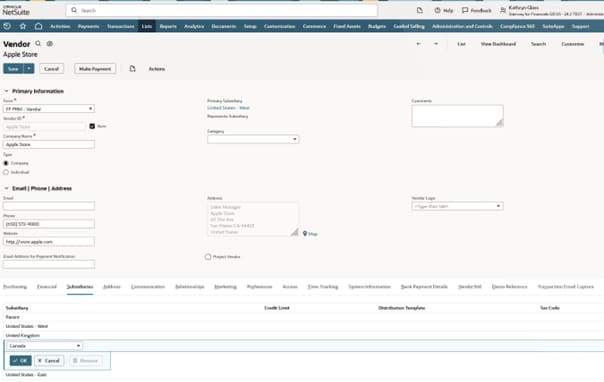
NetSuite Vendor Management brings together all the data related to each supplier—contact information, contracts, items and pricing, financials and purchasing transactions, outstanding bills, payments, credits and returns, files, and attachments—within a central record, so decision-makers can quickly access relevant information to keep their supply chains moving. A built-in communications portal serves as a central communications hub for buyers and suppliers to collaborate and share documents and proposals—updating the vendor record in the process—eliminating the inefficiency of back-and-forth emails. The system also offers a vendor scorecard, which provides a snapshot of the overall health of supplier relationships by highlighting relevant KPIs, such as lead times, on-time deliveries, defects, shortages, and more. With all of this information readily available, companies can forge better relationships, improve risk mitigation, optimize performance, and rely on data-informed negotiations for better contracts and lower costs.
Vendor Scorecard
Vendor management is much more than setting up and enforcing supplier contracts. It’s a lifecycle process that, when executed well, can have a direct impact on some of the key aspects of business success. Investing in well-defined processes, effective technology solutions, and skilled professionals can offer significant returns in the form of decreased risks and costs, improved service and product quality, and increased innovation and growth.
Vendor Management FAQs
What is a vendor management plan?
A vendor management plan is a document or framework detailing how an organization will manage its relationships with external suppliers or vendors throughout the entire vendor lifecycle, including selection, onboarding, contract management, performance monitoring, risk assessment, compliance, and offboarding. Laying out clear policies, procedures, roles, responsibilities, and governance structures increases consistency and efficiency in vendor management, as well as alignment with business goals and needs.
What is the difference between procurement and vendor management?
Procurement and vendor management are related and sometimes overlap, but they typically perform different functions within a business. Procurement is often more transactional in nature, focused on sourcing, negotiating, and acquiring/paying for goods or services from external suppliers, with an eye toward cost savings and operational efficiency. Vendor management tends to be more strategic, focused on building, maintaining, and optimizing supplier relationships to maximize value creation, facilitate good vendor performance, manage risks, and support business growth.
How is vendor success measured?
Vendor success or performance is typically measured using a set of agreed-upon metrics or key performance indicators (KPIs) that illustrate how well the supplier is meeting its obligations to the buyer. These KPIs tend to fall into the categories of product or service quality (such as defect rates or service errors), delivery performance (on-time delivery rates, shipping accuracy), cost efficiency (ROI, competitiveness), compliance/risk management (adherence to contractual terms or regulatory requirements), customer service (customer satisfaction, issue resolution effectiveness), and innovation or business improvements (new products introduced, cost-saving measures).