
Outsourcing manufacturing can bring significant savings, but it requires careful planning. To succeed, companies should acquire a thorough understanding of their costs, operations, and objectives to determine whether the benefits of outsourcing outweigh the risks. This article explains outsourcing costs and breaks down what manufacturers need to know before shifting production to external partners.
What Is the Cost to Outsource Manufacturing?
The cost to outsource manufacturing is the total of all expenses incurred when hiring a third party to produce goods or components instead of manufacturing them in-house. It encompasses a broad range of direct and indirect expenses beyond a supplier’s quoted unit price. For example, outsourcing to a region with lower labor expenses may offer some savings, but higher logistics or quality assurance costs may offset or outweigh those benefits. Manufacturers must also consider the possible risks, such as currency fluctuations, geopolitical instability, and differences in labor and environmental standards, all of which can influence the ultimate cost.
Key Takeaways
- Manufacturers must account for all direct, indirect, and hidden costs to accurately assess the value of any outsourcing initiative.
- Understanding cost drivers—including product complexity, location, and contract terms—leads to more accurate budgeting and better partner selection.
- Proper scoping, accurate cost calculations, and thorough vendor research are essential for successfully estimating outsourcing expenses.
Manufacturing Outsourcing Costs Explained
More than half of organizations globally outsource manufacturing, seeking to benefit from third-party labor, infrastructure, and expertise while avoiding the capital investments required for in-house production. These arrangements introduce new financial considerations, however—some of which are complex and difficult to anticipate. Costs related to quality control audits or international shipping delays, for instance, can quickly and unexpectedly add up. Ultimately, the total cost of outsourcing manufacturing reflects broad operational, contractual, and risk-related factors. Outsourcing costs typically fall into one of the following categories:
- Direct costs: The most visible expenses in outsourcing, direct costs refer to the per-unit manufacturing price, which covers labor, materials, and overhead. They also include setup costs for tooling or molds, plus shipping and customs fees.
- Indirect costs: These expenses support the outsourcing process, but not the individual units produced. Inspections, audits, and other quality control measures are examples of indirect costs, as are legal fees, administrative overhead, and the communication and travel expenses required for maintaining vendor relationships.
- Hidden costs: These are often unplanned or overlooked costs caused by delays or quality problems, such as increased carrying costs and remediation expenses to address and correct product defects or other failures to meet agreed-upon standards. Risks, such as intellectual property loss in countries with weak protections, are another type of hidden cost.
Pricing Models for Outsourcing Manufacturing
There are several models for outsourcing pricing, and each comes with trade-offs in flexibility, control, and predictability. By choosing a model that aligns with the timeline and complexity of each project, manufacturers can boost their ability to manage risk, enhance transparency, and collaborate with chosen partners. Let’s examine five common outsourcing pricing models.
Fixed Price
In a fixed-price model, an outsourcing partner completes a clearly defined scope of work for a predetermined, all-inclusive cost. This structure works best for standardized product runs, repeat orders, and projects with well-documented deliverables and few expected changes. The primary advantage of fixed-price contracts is cost certainty: Buyers know exactly what they will pay, which simplifies budgeting and financial planning. This model also streamlines invoicing and accounting, as payments are typically tied to project milestones rather than variable inputs.
Unforeseen complications or changes in scope may require contract amendments, however, which can increase costs and extend timelines. Because suppliers assume more risk under this model, they may include contingency allowances in their pricing to cover unexpected expenses. As a result, fixed-price contracts are most effective in scenarios with stable, well-understood requirements.
Cost-Plus Pricing
Under this model, the outsourcing vendor is reimbursed for all labor, material, and overhead costs and also receives a set profit margin. Cost-plus pricing is useful for projects whose scope is evolving—such as research and development projects, highly customized manufacturing, and first-time partnerships—because it allows for adjustments without requiring renegotiations. In situations where estimating total up-front project cost is difficult or where costs are expected to fluctuate, cost-plus pricing makes sure the outsourcing partner is compensated for actual expenses incurred. At the same time, sharing detailed breakdowns of actual costs and providing full visibility into pricing help build trust between those engaged in these complex, long-term relationships.
Because its profit is guaranteed regardless of total spending, the vendor may have less incentive to control costs. Without close monitoring, this can result in inefficiency or overspending. Some contracts address this issue through cost ceilings, audit rights, or other oversight mechanisms.
Time and Materials
With time and materials (T&M), the outsourcing vendor charges the client agreed-upon rates for the actual hours worked and materials used. The flexibility this imparts allows vendors to adjust scope as work progresses, making this model useful for projects that need to kick off quickly or those with iterative development or evolving requirements, such as early-stage product development. Because billing relies on actual time and materials expended, the T&M approach provides less budget predictability than fixed-price contracts, which can potentially complicate financial planning. Therefore, contracts often include provisions for regular tracking of hours worked and materials consumed to help manage costs. Like cost-plus pricing, T&M requires close project management because vendors may be less motivated to maintain efficiency.
Unit Pricing
Unit pricing ties expenses directly to output volume. The client pays a fixed cost per item or batch, which simplifies budgeting and cost tracking and is effective for high-volume or standardized production runs. This model supports straightforward, transparent cost calculations—in short, multiplying the agreed-upon unit price by the number of units delivered—making it particularly useful when volume forecasts are reliable and production expectations are clear.
Unit pricing also allows businesses to scale production up or down as needed—but it may not account for variability in input costs, such as changes in labor rates or material prices. Buyers should consider adding price adjustment clauses and review what’s included in per-unit rates to avoid surprise charges and prevent disputes over additional costs.
Dynamic Pricing
Dynamic pricing adjusts costs in response to fluctuations in demand, raw material prices, currency exchange rates, and other real-time market factors. This facilitates rapid responses to changing conditions within the framework of an existing outsourcing contract. Mutually agreed-upon formulas and indices govern these cost adjustments to help avoid inflated base rates while providing flexibility and transparency for both parties.
On the downside, this model introduces budgeting uncertainty, which, in turn, necessitates clear communication, solid contracts, and closely aligned expectations. For example, a contract might mandate quarterly reviews based on published commodity indices, plus mutual approval and advance notice of any price changes. Dynamic pricing is best suited to long-term partnerships or industries, such as automotive, that are subject to significant price volatility.
Factors That Impact Outsourcing Costs
A broad range of product-, supplier-, and contract-related factors influences the cost of outsourcing manufacturing. Businesses that understand the following cost drivers are best equipped to budget accurately, avoid hidden fees, and select the right partners for long-term success.
Product Complexity
Product designs that call for multiple components, tight tolerances, and advanced materials may require specialized machinery and custom tooling, as well as experienced technicians to use them—all of which increase costs. Unique production requirements often demand increased setup time, communication, and oversight, leading to more indirect expenses. And special shipping and handling methods can further increase costs. To avoid these and other surprise charges, companies should carefully assess the impact of their design choices on total expenses.
Location of Partner
Manufacturing partners in locations with lower labor and operating costs, such as parts of Asia or Africa, typically offer better pricing than vendors in North America or Western Europe. However, higher shipping costs and import duties can negate those savings. The extra coordination required across distant time zones may also slow down processes and introduce additional inefficiencies, resulting in delays. Despite their higher prices, nearby vendors may be more cost-effective, particularly if speed to market is a priority and frequent collaboration is a requirement. Balancing labor savings with logistical and operational benefits is crucial.
Order Size
When it comes to outsourcing manufacturing, order volume exerts significant influence over cost structure and negotiating power. Small orders typically carry higher per-unit expenses because fixed setup and administrative costs are spread over fewer items. Larger production runs and repeat orders benefit from economies of scale and process efficiencies established during earlier runs. Bigger orders also help companies secure better pricing through volume discounts and lower setup fees while strengthening their position to negotiate favorable terms, such as extended payment periods and production scheduling priority.
Weigh bulk purchasing against storage capacity, cash flow, and potential waste so increased order size truly delivers cost savings. A strategic approach enables businesses to optimize both costs and supplier relationships as production needs evolve.
Technology
A third-party manufacturer’s advanced technological capabilities—such as automation, robotics, or AI-driven quality control systems—can improve output consistency, shorten turnaround times, and reduce long-term costs. These benefits typically come with higher up-front rates, however, because manufacturers must recover the significant capital investments required for advanced machinery and automation systems, as well as associated maintenance and labor.
In many cases, the initial pricing reflects not only the purchase and installation of cutting-edge equipment but also the expenses affiliated with developing custom software, integrating new systems into existing workflows, and providing specialized training. When evaluating outsourcing partners, companies should weigh the potential savings and performance benefits of advanced technologies against the higher cost of entry.
Quality Control
Maintaining consistent quality adds another layer of outsourcing costs related to such expenses as inspections, lab testing, certifications, and rework. If the outsourcing partner’s quality standards differ from those of its customer, more supervision might be wise; this is especially important when working with overseas partners, where variances in quality expectations or processes could result in delays or dissatisfied customers. Adding an internal review team in these cases can significantly increase costs. It’s important to confirm the level of the manufacturer’s experience and systems before signing any agreement.
Contract Terms
Payment schedules, intellectual property clauses, scope change procedures, and other contractual elements can all affect outsourcing costs. For example, penalties for missed deadlines incentivize on-time delivery, but vendors may increase prices to offset their risk. Well-written contracts help avoid disputes, clarify expectations, and stave off unplanned charges. Working with manufacturers that carry insurance helps reduce financial risk, but vague or one-sided terms may expose a company to unnecessary costs or legal issues. Detailed agreements should address risk-sharing, price changes, and contingency plans.
Reshoring
Reshoring is the process of bringing a company’s manufacturing operations back to its home country after previously outsourcing them overseas. Also known as onshoring, reshoring is often a strategic response to the rising costs and complexities of global supply chains. Companies may reshore to reduce transportation expenses, minimize supply chain disruptions, and comply more easily with domestic regulations and quality standards.
Reshoring impacts the overall cost structure of manufacturing outsourcing by shortening supply chains, reducing shipping and logistics costs, shrinking carbon footprints, and enabling quicker responses to changing market demands. Additionally, domestic manufacturers are often better equipped to meet their native quality and regulatory standards, reducing the risk of expensive recalls or compliance penalties. But it’s important to recognize that the required up-front investment in domestic infrastructure and technology can be significant. Industries reliant on low-cost labor may struggle to match offshore manufacturing’s financial advantages.
How to Estimate Outsourcing Costs
Cost estimates require clearly defined project scopes, accurate calculations, and detailed vendor quotes. A structured approach that factors in long-term, hidden expenses supports sharper decision-making about outsourcing options and partner selection. Follow this step-by-step process to estimate outsourcing costs.
-
Define and Scope Your Outsourcing Project
A clear outline of plans—with product details, order volumes, quality expectations, delivery timelines, and compliance requirements—helps identify tasks suitable for outsourcing and allows for fair comparisons between in-house and third-party costs. Information about the technologies and certifications required to complete the work further supports accurate estimates for equipment, software, and labor costs. Specificity is important to avoid misrepresentation or misinterpretation, to lay the foundation for accurate quotes and clear contractual terms, and to reduce the risk of scope creep.
-
Identify and Tally Cost Components at In-House Rates
Calculate the cost of performing the work internally, according to the scope defined in Step 1. Consider all direct and indirect expenses but only include avoidable future costs—those that would no longer apply if the work were outsourced, such as wages and equipment maintenance. Exclude sunk costs, which have already been incurred and, therefore, shouldn’t influence the outsourcing decision. An example of a sunk cost would be the original purchase price of equipment that has already been paid for but would no longer be needed. Calculating in-house costs establishes a baseline for comparing external quotes and provides greater visibility into the financial benefits of outsourcing.
-
Gather Outsourcing Quotes From Vendors
Comprehensive vendor quotes allow for true apples-to-apples comparisons with in-house cost baselines. Request detailed proposals that cover the per-unit or project price, plus the costs and fees associated with setup, tooling, shipping, customs, contract administration, and any transition costs.
Ask providers to specify exactly which services and deliverables are covered—for instance, whether packaging, quality inspections, or after-sales support are part of the quoted price or will incur additional charges. Identify any potential for cost escalation, such as price adjustments for raw material fluctuations or changes in order volume. Establishing clear terms that outline advance notice requirements or caps on allowable increases helps protect against unexpected price jumps.
-
Subtract the In-House Rates From the Quoted Rates
The difference between estimated in-house costs and the total amount of each quote reveals the potential savings or additional expenses associated with outsourcing. Analyze this cost delta in detail and identify its driving factors to determine if they reflect actual efficiencies, overlooked expenses, or misaligned scope and service levels between in-house and outsourced options. Sensitivity analysis offers additional insights into how changes in order volumes, labor rates, and material costs may affect the return on investment in outsourcing over time. Update these calculations regularly to reflect current market conditions, costs, and internal processes.
-
Factor in Costs of Risks, Hidden Costs, and Potential Long-Term Costs
Beyond direct cost comparisons, consider the hidden costs of quality issues, delays, communication barriers, intellectual property protection, and partner relationship management. Also weigh potential long-term costs or savings against their potential effects on flexibility and scalability. For example, a low-cost supplier may provide immediate cost relief, but if that partner lacks the capacity to scale production as demand grows, the business could miss revenue opportunities and face increased switching costs down the line.
Carefully evaluating these factors helps avoid unexpected expenses and aligns outsourcing decisions with long-term strategic goals. Scenario planning further clarifies the financial impact of supply chain disruptions, regulatory changes, vendor insolvency, and other risks to promote better contingency planning.
Take Control of Your Outsourcing Initiatives With NetSuite for Manufacturing
Businesses considering outsourcing their manufacturing operations must contemplate complex decisions concerning cost, vendor selection, and supply chain visibility. Managing supplier relationships, tracking fluctuating costs, maintaining regulatory compliance, and mitigating risks are critical elements—especially as disruptions and market volatility increase. Without the right tools, cost overruns, quality issues, or missed deadlines can quickly erode outsourcing’s benefits.
NetSuite’s manufacturing cloud ERP system streamlines the outsourcing process by providing real-time visibility into production, inventory, procurement, and financials. The platform empowers teams to monitor costs, manage vendors, and adapt quickly to changing conditions. Built-in analytics and automation tools help identify cost drivers and inefficiencies, while compliance and quality management features support regulatory requirements and supplier accountability. By consolidating data and workflows into a single system, manufacturers can make informed decisions, reduce risk, and take full control of their outsourcing initiatives—positioning their business for long-term growth and resilience.
Real-Time Visibility for Manufacturers
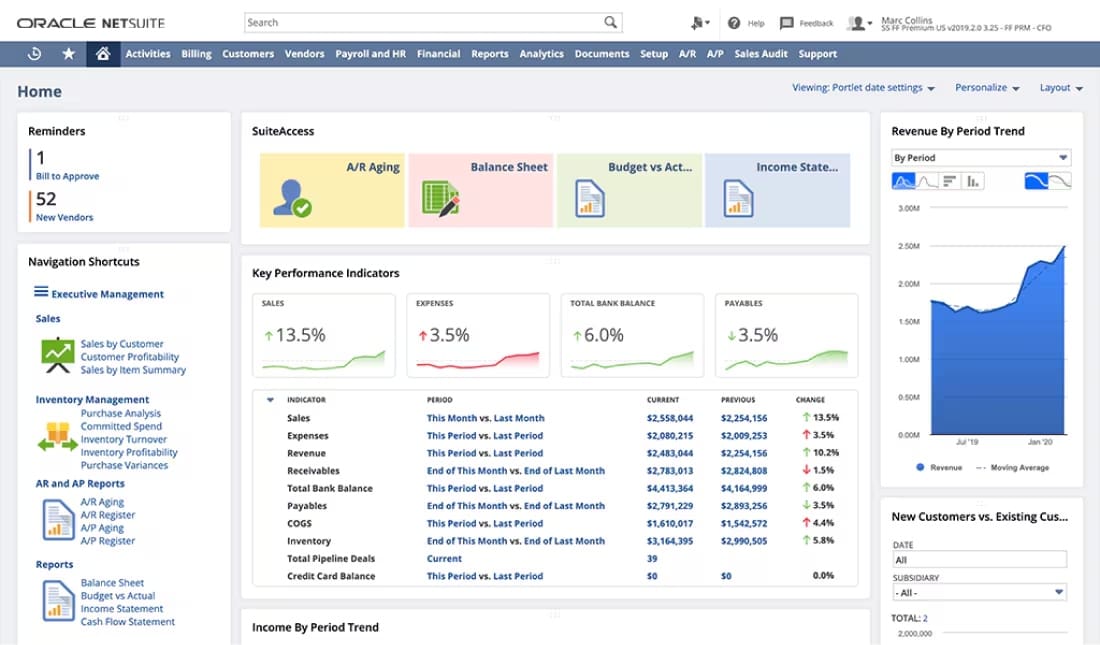
Outsourcing manufacturing requires clear scoping, accurate cost comparisons, and thoughtful partner selection. Product complexity, outsourcing location, order volume, quality control, and pricing models all influence the final cost, and those factors constantly change. Thorough calculations and ongoing analyses help companies make smart decisions and avert hidden risks. Manufacturers that take a thoughtful, data-driven approach to outsourcing will be better equipped to manage costs, stay flexible, and respond to shifting market demands.
Cost of Outsourcing FAQs
What are the costs of outsourcing production?
The costs of outsourcing production include direct expenses, such as labor, materials, and setup fees, as well as indirect costs related to such necessities as quality control, vendor management, and administrative overhead. Companies must also appraise the potential long-term costs of miscommunication, production and shipping delays, reduced flexibility, and other risks.
How do you calculate outsourcing costs?
Calculate outsourcing costs by defining the scope of work, identifying all in-house cost components, gathering detailed quotes, and comparing total in-house costs to total quoted outsourcing costs. It’s also important to factor in hidden costs, transition expenses, and potential risks to paint a complete financial picture.
What are the hidden costs of outsourcing?
Hidden costs of outsourcing include expenses that aren’t reflected in quotes but still influence total cost, such as quality issues, delays, and contract management. These can also include transition costs, including severance pay and oversight expenses.